vREfyd — Redefining trust in real estate transactions

vREfyd — Redefining trust in real estate transactions

vREfyd — Redefining trust in real estate transactions

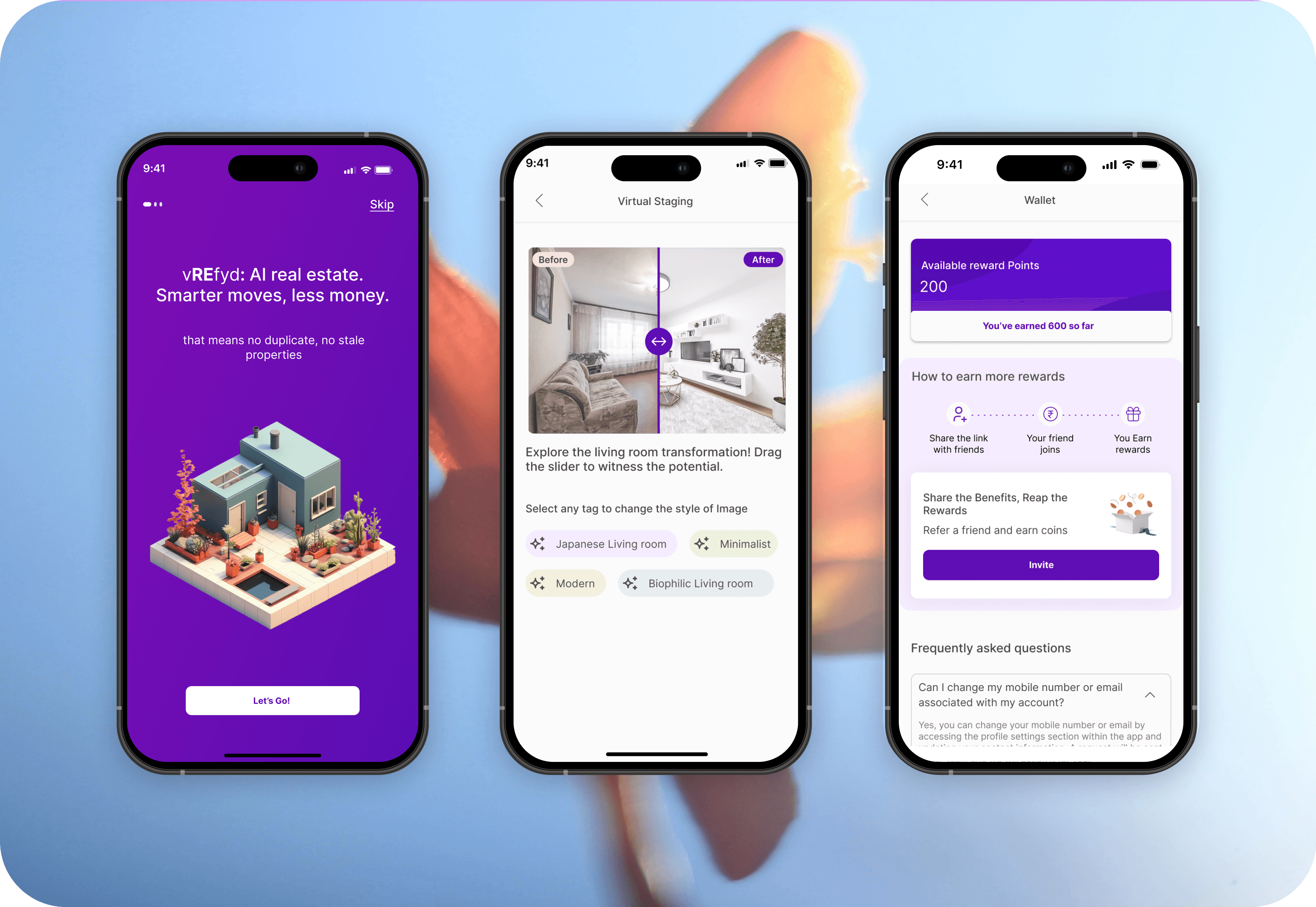
I joined vREfyd as a founding designer to shape the product, brand, and user experience from the ground up. Together with the team, we built an AI-powered real estate platform focused on making property transactions faster, more transparent, and fully verified.

Powered by AIRA, the platform connects realtors, buyers, banks, and builders through a seamless and trusted ecosystem.

I joined vREfyd as a founding designer to shape the product, brand, and user experience from the ground up. Together with the team, we built an AI-powered real estate platform focused on making property transactions faster, more transparent, and fully verified.

Powered by AIRA, the platform connects realtors, buyers, banks, and builders through a seamless and trusted ecosystem.

My Role

Product design, Design systems, UX strategy, Brand identity, Interaction design

My Team

CTO, 2 Product Designer
(Icluding Me), 2 Developers

Sector

Wealth-tech
Context
Context

Real estate transactions are overwhelming

Real estate transactions are overwhelming

Real estate transactions are overwhelming

Buying or selling property is one of the biggest financial decisions people make — yet the experience often feels fragmented, unclear, and difficult to trust.

Users struggle with:

Users struggle with:

Users struggle with:

  • Unverified listings
  • Lack of transparency

  • Poor communication between stakeholders

  • Complex transaction processes

  • Confusing documentation and financing steps

  • Unverified listings
  • Lack of transparency

  • Poor communication between stakeholders

  • Complex transaction processes

  • Confusing documentation and financing steps

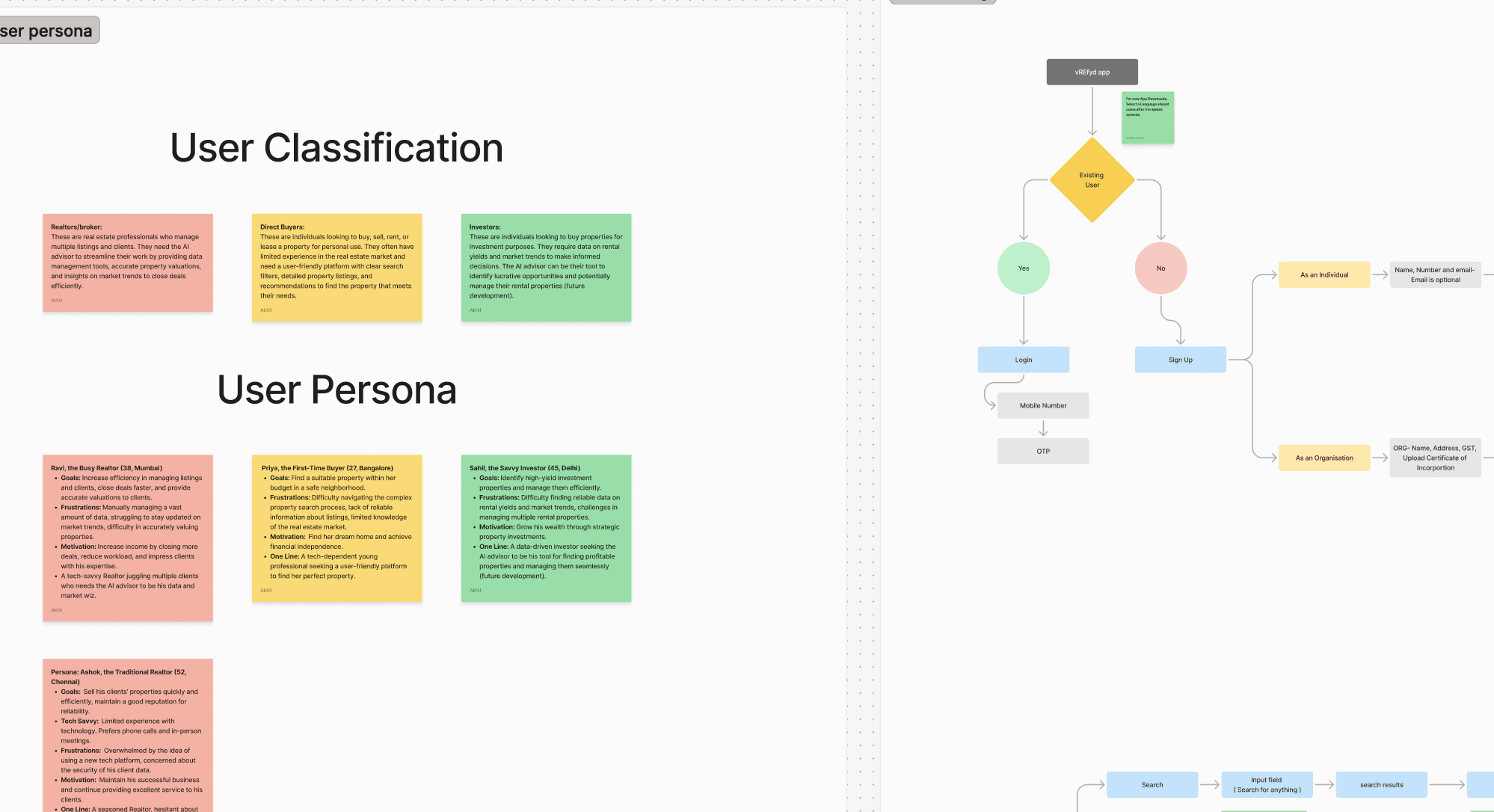
For realtors, the challenge was equally difficult. Managing leads, building trust, and coordinating with banks and builders required navigating multiple disconnected systems.
The opportunity for vREfyd was to create a trusted ecosystem where every interaction, property, and transaction could feel secure, transparent, and guided.
The solution

The solution

The solution

An AI-powered real estate ecosystem built around trust

We designed vREfyd as a platform where users could discover properties, interact with verified realtors, and complete transactions with confidence.

For realtors, the challenge was equally difficult. Managing leads, building trust, and coordinating with banks and builders required navigating multiple disconnected systems.
The opportunity for vREfyd was to create a trusted ecosystem where every interaction, property, and transaction could feel secure, transparent, and guided.
02 — Features

02 — Features

02 — Features

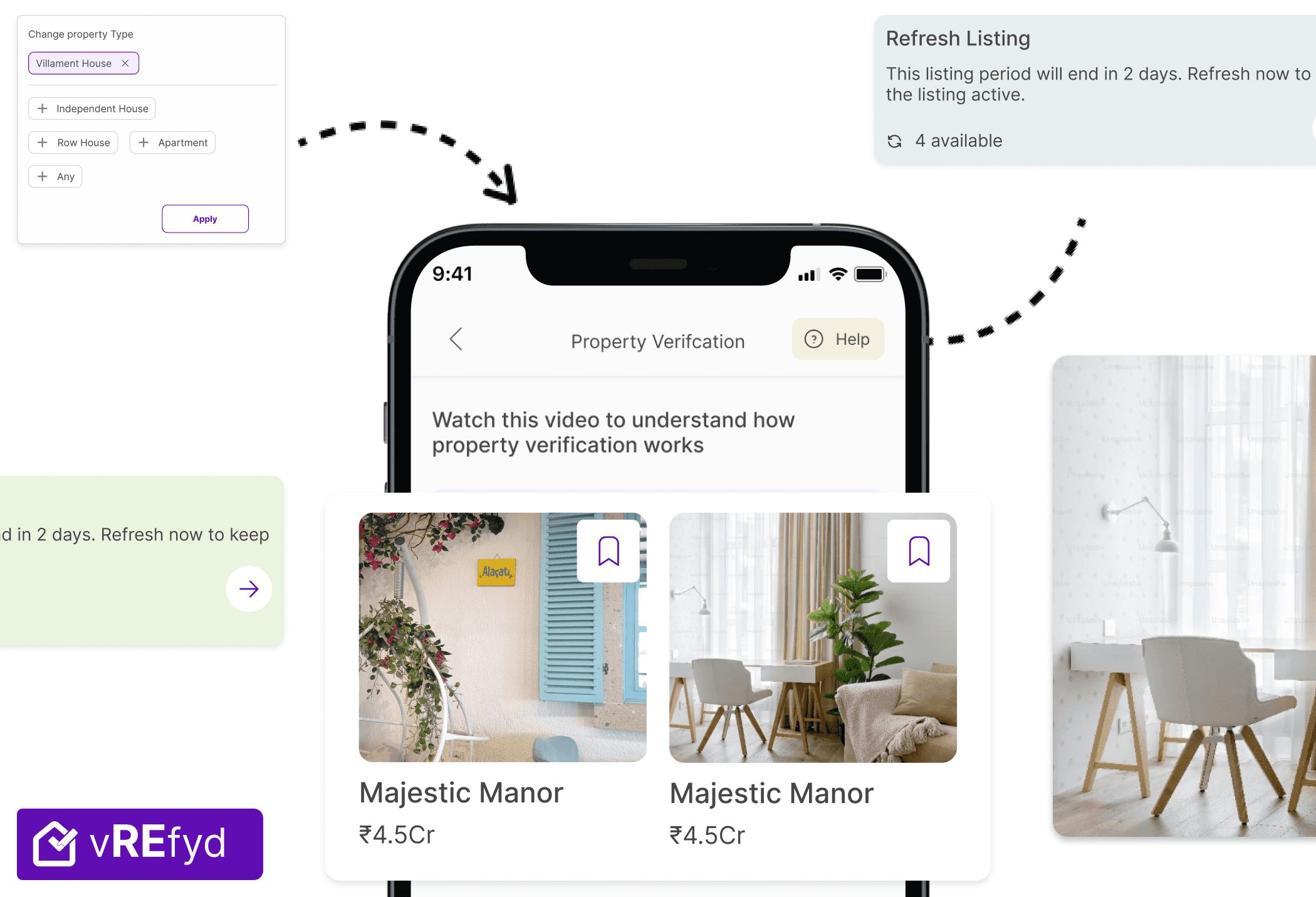
AI-powered assistance with AIRA

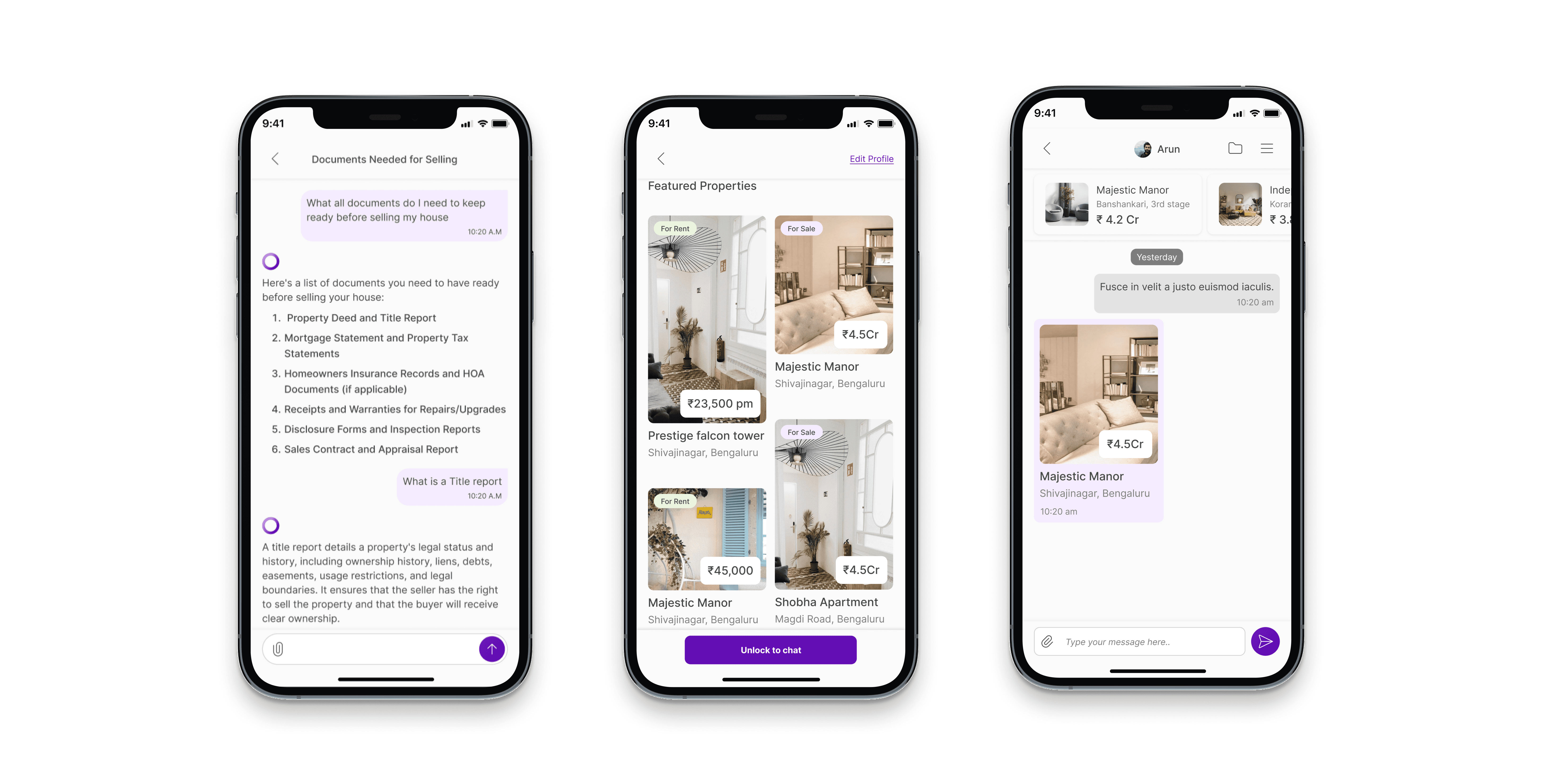
AI assistant helping users navigate property discovery and decisions. Provides contextual guidance throughout the transaction journey.

Property listings

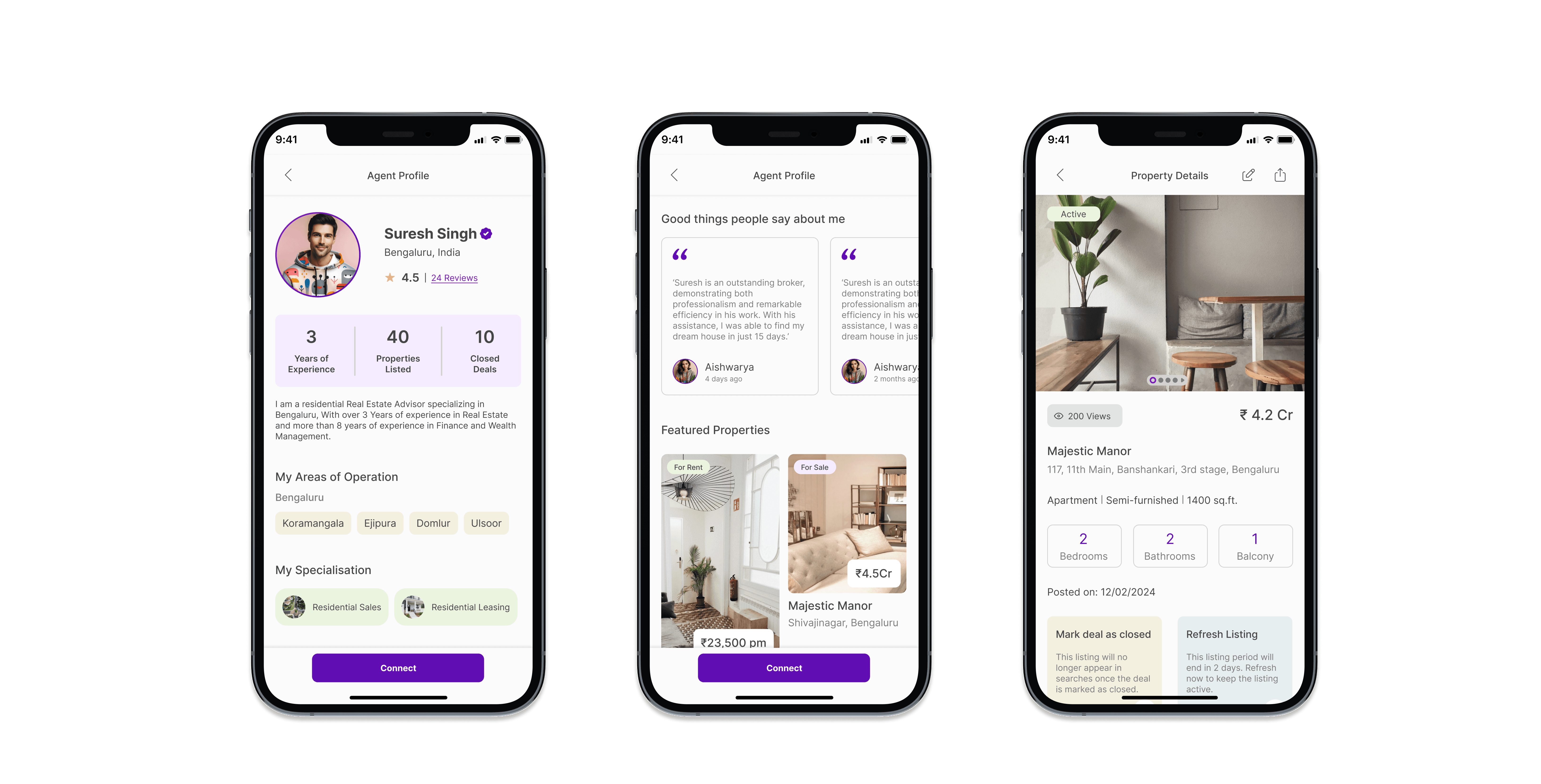
Browse detailed and verified property listings with essential insights upfront. Designed to help users compare options and make informed decisions faster.

Verified interactions

Verified listings and trusted user connections across the platform. Built to create transparency and confidence during transactions.

Broker chat & communication

Instant in-app communication between users and brokers. Enables faster updates, discussions, and smoother coordination.

AI-powered assistance with AIRA

AI assistant helping users navigate property discovery and decisions. Provides contextual guidance throughout the transaction journey.

Property listings

Browse detailed and verified property listings with essential insights upfront. Designed to help users compare options and make informed decisions faster.

Verified interactions

Verified listings and trusted user connections across the platform. Built to create transparency and confidence during transactions.

Broker chat & communication

Instant in-app communication between users and brokers. Enables faster updates, discussions, and smoother coordination.

03 — Business context

03 — Business context

03 — Business context

Designing for both users and scale

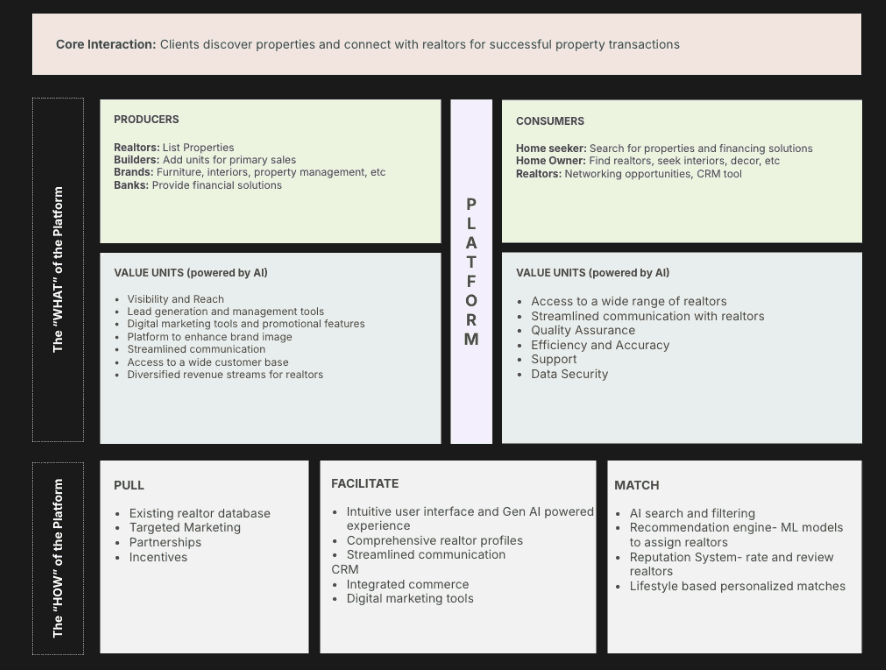
As the platform prepared for launch, it became important to educate users about real estate processes that are often misunderstood or hidden behind industry jargon.


At the same time, the business needed a scalable product that could support:

  • Realtors

  • Financial institutions

  • Builders

  • Strategic partnerships

    We worked closely with stakeholders to ensure the design system and product architecture could evolve rapidly as new business requirements emerged.

    This allowed the team to move quickly while maintaining consistency across the product ecosystem.
04 — Design system & brand

04 — Design system & brand

04 — Design system & brand

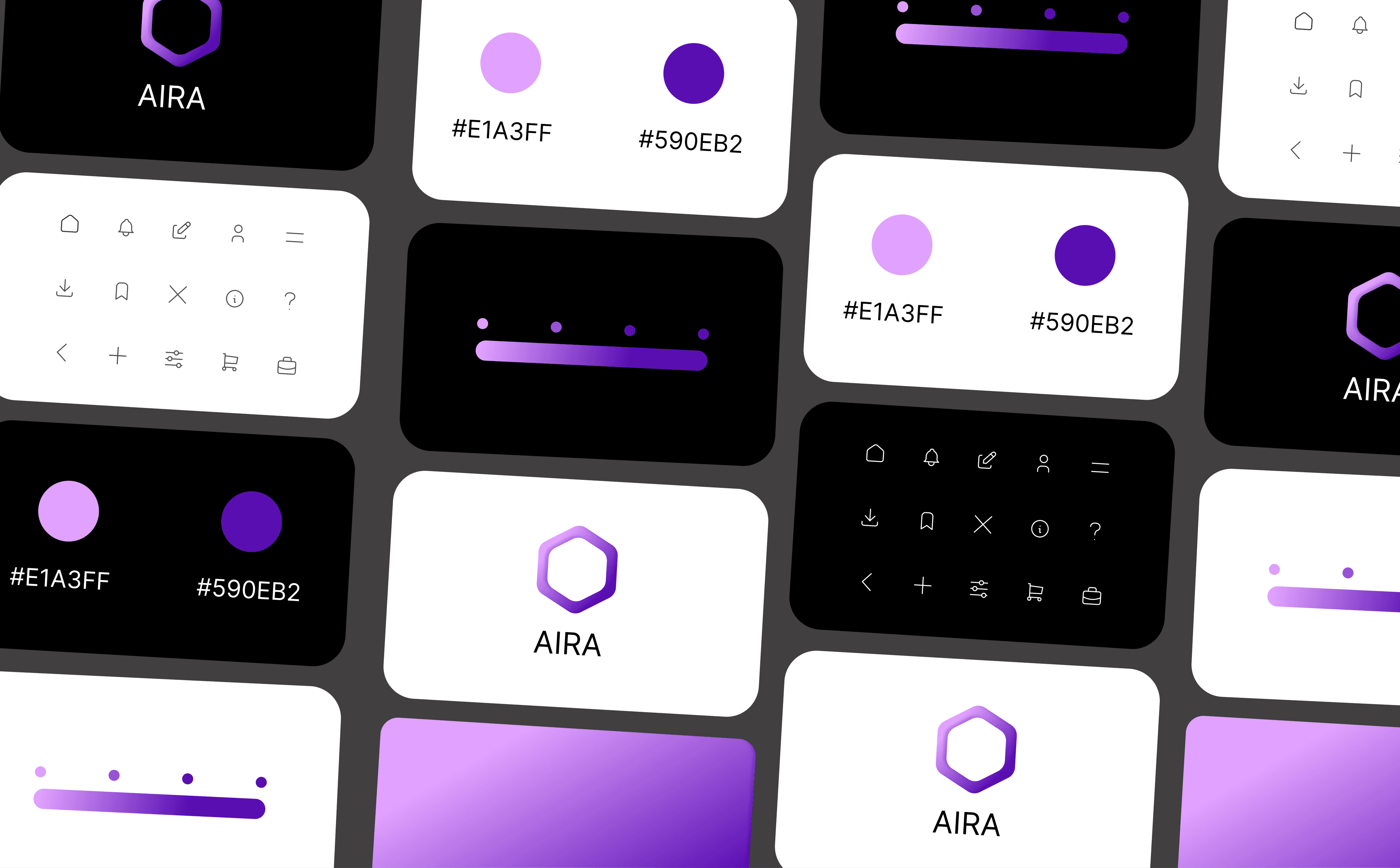
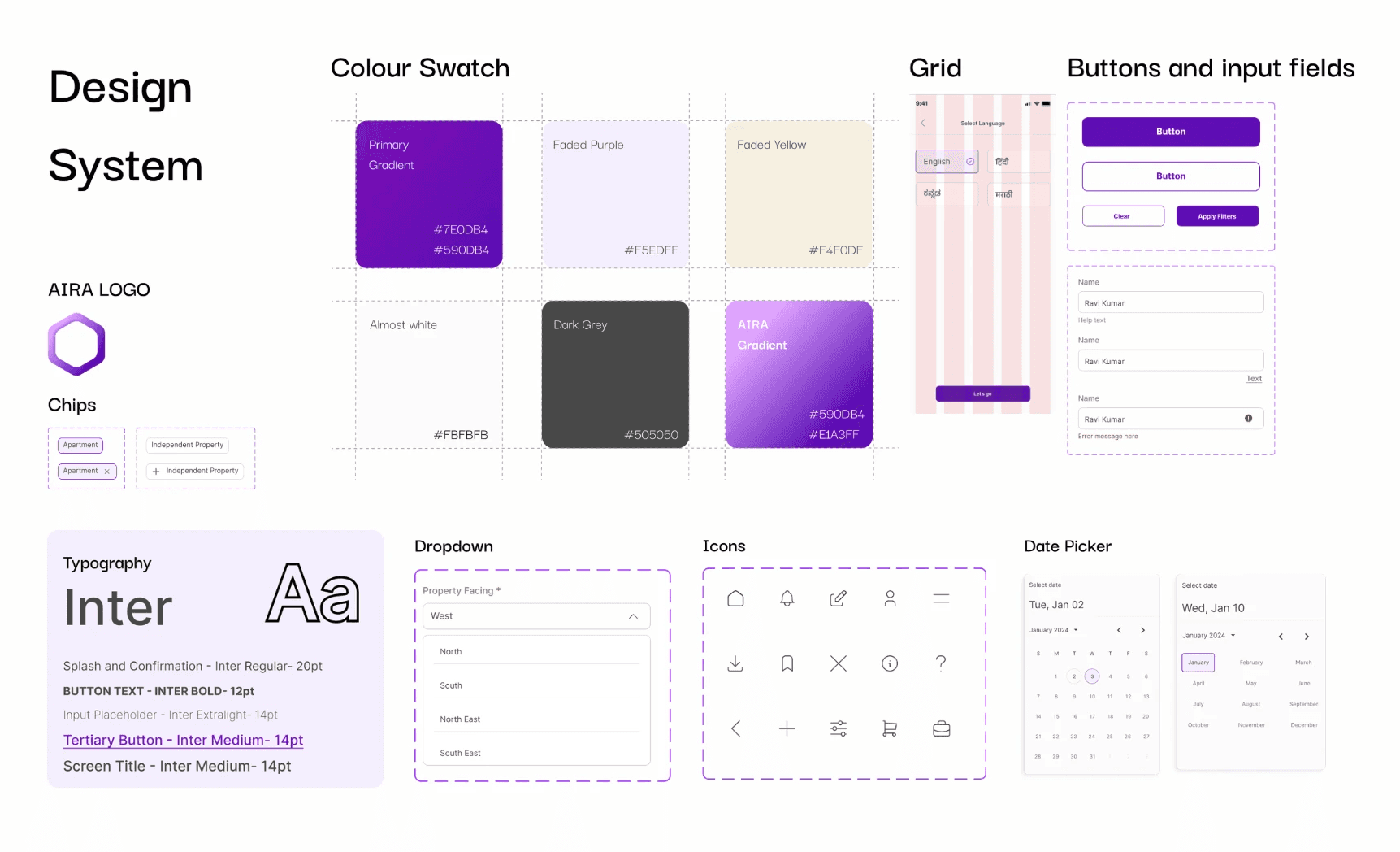
Extending the brand beyond the product.

Existing form builders were evaluated to identify usability gaps and workflow opportunities.

Beyond the app experience, we built a modular design system that extended across:

  • Mobile experiences

  • Web platforms

  • Marketing collaterals

  • Social campaigns

  • Informational content

We wanted vREfyd to feel approachable and trustworthy everywhere users interacted with the brand.

This included multilingual campaigns, educational visuals, and scalable UI foundations that allowed the brand to grow consistently over time.

Key Observations

  • simpler tools lacked scalability

  • advanced tools increased complexity

  • workflow management was often difficult to visualize.

  • most systems prioritized features over usability.

This helped define the balance between simplicity and flexibility within the final experience.

05 — Collaboration

05 — Collaboration

05 — Collaboration

Building alignment across teams

Working as a founding designer meant constantly balancing product vision, technical feasibility, business requirements, and user experience.

Collaboration was one of the most rewarding — and challenging — parts of the journey.

There were moments where aligning different perspectives took time, but those conversations ultimately helped strengthen the product and shape clearer decisions across the team.

07— Reflection

07— Reflection

07— Reflection

What I learned

Trust is a design problem
In real estate, users are constantly evaluating whether they feel safe enough to proceed. Small UX decisions — clarity, transparency, readable copy, and guided interactions — significantly impact user confidence.

Systems thinking matters early
Designing from 0–1 taught me the importance of scalable foundations. Creating reusable patterns and modular systems early helped the team move faster later.

Product design goes beyond screens

Branding, onboarding, communication, educational content, and stakeholder alignment all played a major role in shaping the final experience.

Designing for clarity over complexity.

The interface was designed to feel lightweight and approachable while supporting advanced workflow capabilities underneath.

Key design decisions included:

  • progressive disclosure to reduce overwhelm

  • modular components for scalability

  • structured layouts for better readability

  • right-side editing panels for focused workflows

The experience prioritized clarity, organization, and usability across every stage of form creation.

Designing for clarity over complexity.

The interface was designed to feel lightweight and approachable while supporting advanced workflow capabilities underneath.

Key design decisions included:

  • progressive disclosure to reduce overwhelm

  • modular components for scalability

  • structured layouts for better readability

  • right-side editing panels for focused workflows

The experience prioritized clarity, organization, and usability across every stage of form creation.

Milestone

Milestone

Milestone

Preparing for launch

vREfyd is currently gearing up for launch, and seeing the platform evolve from early concepts into a fully realized product has been incredibly rewarding.

The journey involved countless iterations, difficult discussions, and collaborative problem-solving — but it ultimately led to a product the team is genuinely proud of.

I’m excited to see how users respond once the platform goes live and how the ecosystem grows from here.

Designing for clarity over complexity.

The interface was designed to feel lightweight and approachable while supporting advanced workflow capabilities underneath.

Key design decisions included:

  • progressive disclosure to reduce overwhelm

  • modular components for scalability

  • structured layouts for better readability

  • right-side editing panels for focused workflows

The experience prioritized clarity, organization, and usability across every stage of form creation.

Designing for clarity over complexity.

The interface was designed to feel lightweight and approachable while supporting advanced workflow capabilities underneath.

Key design decisions included:

  • progressive disclosure to reduce overwhelm

  • modular components for scalability

  • structured layouts for better readability

  • right-side editing panels for focused workflows

The experience prioritized clarity, organization, and usability across every stage of form creation.

The form builder needed to support dynamic workflows, conditional logic, and reusable components while remaining performant and scalable.

Key constraints included:

  • handling complex field dependencies

  • maintaining performance for large forms

  • supporting scalable component architecture

  • aligning UI flexibility with backend limitations

  • managing draft, preview, and publish states

A major challenge was simplifying technical complexity for non-technical users without limiting workflow flexibility.

Sweety Jain

Product Designer

Pages

Home

About

Playground

Resume

Socials

LinkedIn

Instagram

X

Discoveries are out there, waiting to be made.
Why not by you?

Create a free website with Framer, the website builder loved by startups, designers and agencies.